Product Description
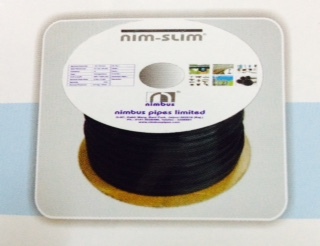
Well known for the quality of our products, we have gained a reputable position as a trader and supplier of HDPE Submersible Pipes. These are manufactured by making use of high density polyethylene as per the IS 4984:1995 standards. Offered in different lengths, thickness and diameters, these are widely used in jet pumps, irrigation, water supply, flow operations in industries and sewage system. Owing to their excellent resistance against corrosion, chemicals, bacterial growth and high temperatures, HDPE Submersible Pipes have become the preferred choice over conventional pipes.
Features:
- Light Weight
- Inert to chemicals
- Smooth inner and outer finish
- Leak proof
- Resistant to high temperatures
- Excellent insulation properties
World-Class Durability and ResistanceDesigned to thrive in challenging environments, these HDPE pipes withstand a wide temperature range from -40C to +60C. They resist corrosion, scaling, chemicals, and UV degradation, making them exceptionally durable for both industrial and domestic use. Their high burst and crack resistance ensures reliability over a lifespan exceeding 50 years.
Engineered for Smooth Flow � Minimal MaintenanceFeaturing a sleek inner surface, these pipes reduce friction loss, guaranteeing efficient water delivery and preventing scaling. This smooth finish not only supports higher flow rates but also curbs long-term maintenance, making them ideal for water supply and dewatering systems in both rural and urban settings.
Reliable, Safe, and Eco-Friendly ChoiceConstructed from non-toxic, potable-water safe HDPE, these pipes uphold excellent electrical insulation and safety standards. They are 100% recyclable, lightweight, and easy to handle, thereby minimizing environmental impact and installation effort. All pipes comply with leading international and Indian standards for added reliability.
FAQ's of HDPE Submersible Pipes:
Q: How can HDPE Submersible Pipes be installed for various applications?
A: HDPE Submersible Pipes are available in both coil and straight lengths to suit different installation needs. They can be easily joined using butt fusion, electrofusion, flanged, or threaded methods, allowing flexibility for submersible pump systems, borewells, irrigation, and more.
Q: What makes these pipes suitable for potable water supply and safety-critical projects?
A: These pipes are manufactured from non-toxic, food-grade High Density Polyethylene, ensuring no contamination of potable water. Their excellent dielectric properties and smooth inner finish contribute to safer water conveyance and minimize the risk of scaling or bacterial growth.
Q: When should I consider using HDPE pipes instead of metal pipes?
A: Choose HDPE pipes when you require corrosion resistance, lightweight handling, flexibility, high burst strength, and a long service life (over 50 years). They are superior to metal pipes in harsh chemical environments, variable temperatures, and for applications where weight and ease of installation are critical.
Q: Where are HDPE Submersible Pipes commonly used?
A: These pipes are widely used in rural and urban water supply systems, agricultural irrigation, industrial effluent discharge, dewatering, mining, domestic water supply, and submersible pump installations due to their versatility and reliability.
Q: What standards and certifications do these pipes comply with?
A: HDPE Submersible Pipes meet IS 4984:2016 and ISO 4427 standards. They pass rigorous hydrostatic pressure tests as per IS 4984 guidelines, ensuring durability, safety, and conformance to international quality norms.
Q: What are the benefits of the smooth inner surface of the pipe?
A: The smooth inner surface minimizes friction losses and prevents scaling, ensuring efficient water flow and reducing potential for blockages. This also leads to lower maintenance and improved energy efficiency during fluid transport.
Q: How environmentally friendly are HDPE Submersible Pipes?
A: These pipes are 100% recyclable and have a significantly reduced environmental footprint compared to traditional materials. Their long lifespan, coupled with chemical and UV resistance, minimizes replacement frequency and overall ecological impact.

 Mon - Sat 8:00 - 6:30, Sunday - CLOSED


 Send Inquiry


 Send Email



 Send Inquiry
 Send Inquiry
 Send SMS
 Call Me Free
