Product Description
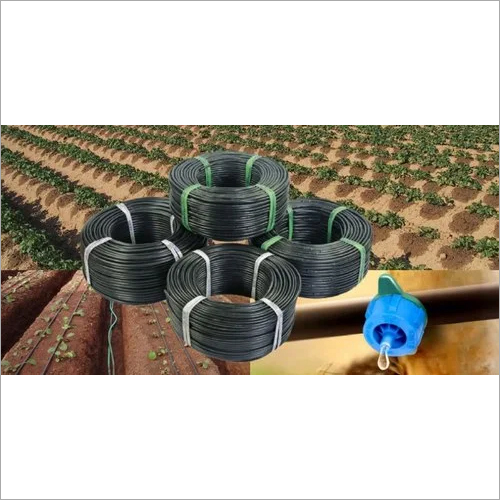
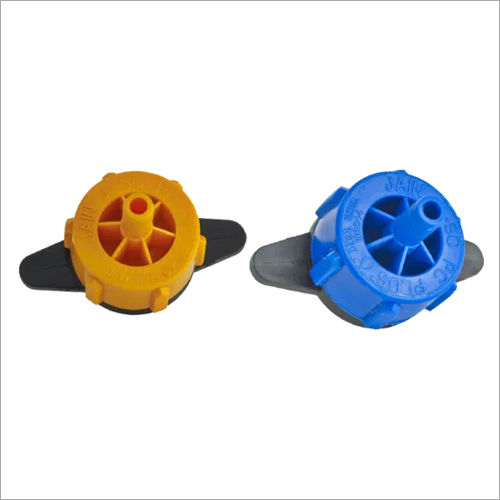
PVC or any other non-toxic grade plastic made Drip Irrigation Pipes are reliable options to provide nutrients and water gradually into the soil for high crop productivity purpose. Available in different length based choices, these leakage proof pipes have molded inner dripper and precisely designed water channel for uninterrupted water flow. Blockage proof drip head of this pipe has screen net to capture contaminants and different particles that tend to deposit inside pipes. Provided Drip Irrigation Pipes can cover large area for effective irrigation of farmland.
Versatile Lengths and CustomizationChoose a roll length that matches your field size-100 m, 200 m, 300 m, or 500 m. The pipe's diameter and emitter spacing can be tailored to fit your crop requirements, ensuring efficient water distribution for any farm layout.
Engineered for DurabilityConstructed from UV-resistant, high-density polyethylene (HDPE), the pipe withstands India's harsh weather and agricultural conditions. With high puncture resistance, a wide temperature operating range, and strong chemical resistance, it offers a lifespan of up to five years under standard farming practices.
Simple Installation and MaintenanceDesigned for ease of use, this drip pipe is suitable for manual or semi-automatic systems powered by gravity or low-pressure pumps. Installation is straightforward, and regular maintenance involves periodic cleaning of external sand or screen filters to ensure long-term efficiency.
FAQ's of Drip Irrigation Pipe:
Q: How do I choose the correct drip irrigation pipe length and diameter for my field?
A: Select your pipe length based on the total coverage area required-options include 100 m, 200 m, 300 m, and 500 m per roll. The standard diameters of 12 mm, 16 mm, and 20 mm can be matched to your water flow and row spacing needs. For large or uneven fields, customized emitter spacing and roll lengths can be arranged.
Q: What is the recommended process for installing the drip irrigation pipe?
A: Begin by laying the pipe along your crop rows. Connect emitters with the desired spacing (30 cm, 40 cm, or 50 cm). An external sand or screen filter must be installed to prevent blockages. Pressurize the system within the 1-2.5 bar range and periodically check all connections for leaks.
Q: When should I use a drip irrigation pipe instead of traditional watering methods?
A: Drip irrigation pipes are ideal when uniform watering at the plant root zone is needed, particularly in water-scarce regions or where efficient fertilizer application is essential. They reduce water loss and improve crop yields, making them preferable to conventional surface or flood irrigation.
Q: Where can these drip irrigation pipes be applied?
A: These pipes are suitable for a wide range of agricultural settings across India, including small kitchen gardens as well as large farms. Their flexibility and customizable features support use in vegetables, orchards, flower beds, and greenhouse environments.
Q: What maintenance is required to ensure the long lifespan of the pipe?
A: Periodically clean the external filter to prevent clogging. Also, inspect the pipe for punctures or damage caused by farm machinery. If used within the recommended temperature and pressure ranges and kept free from large debris, the pipe can last up to five years or more.
Q: How does the high chemical resistance benefit the irrigation process?
A: The pipe's resistance to fertilizers and common agricultural chemicals prevents material degradation, blockages, or leaks, thus ensuring consistent water and nutrient delivery to your crops throughout the system's lifespan.